
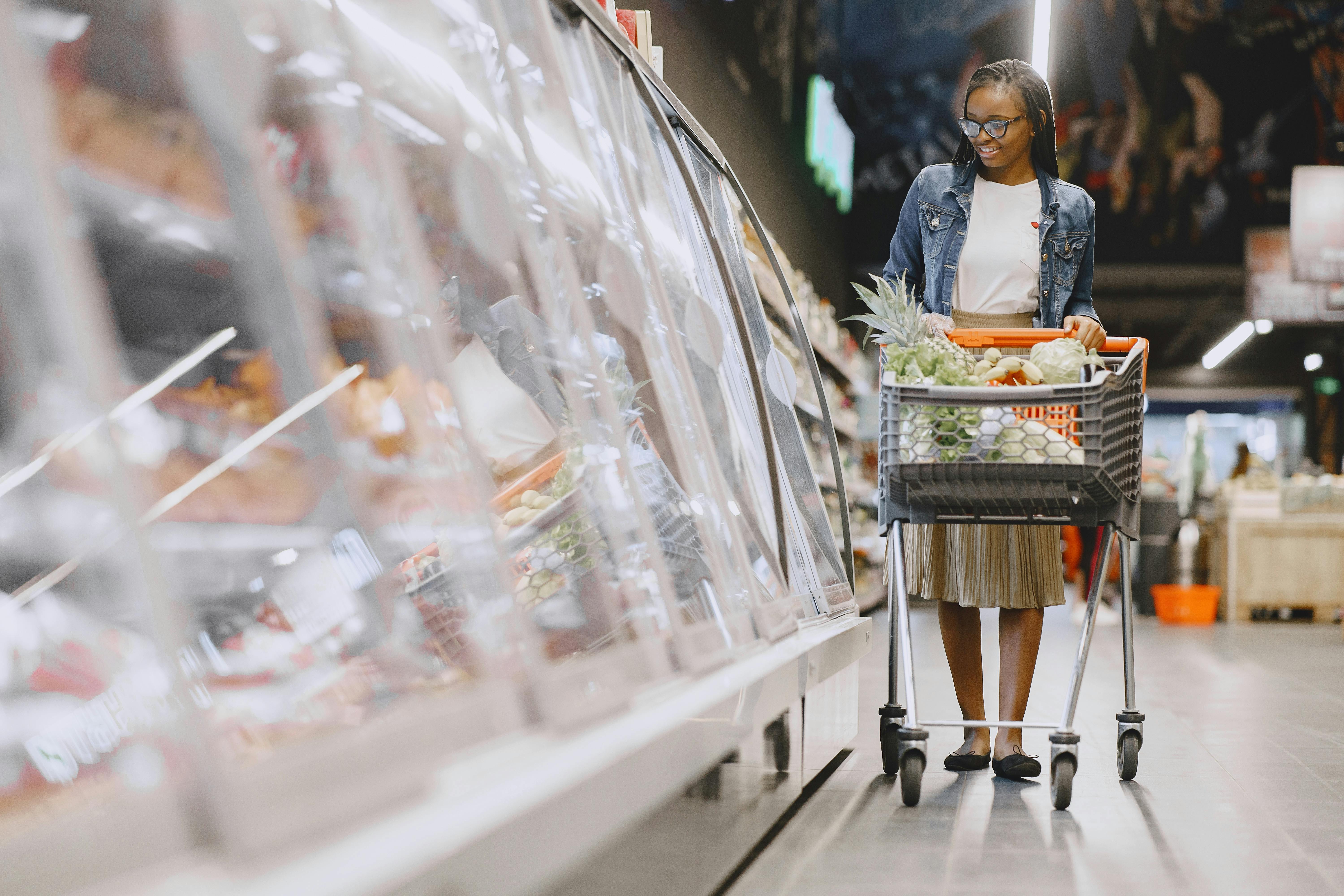
Fresh produce is the most volatile part of a grocery bill, moving in ways that packaged goods do not. The cause sits in agriculture and freight rather than in retail pricing strategy.
Supply arrives in windows
Each crop has a harvest period in each growing region, and within that window supply is abundant and perishable, so it must move quickly.
Outside the window, the same item comes from a distant region or from storage, both of which add cost before it reaches a store.
The price a shopper sees is largely a map of how far the nearest harvest currently is.
Perishability removes the option to wait
A packaged good that does not sell can sit in a warehouse until demand improves. A crate of berries cannot.
Growers and distributors must clear inventory within days, so an oversupplied week produces steep markdowns regardless of what anyone intended.
The reverse is equally sharp. A short week leaves buyers competing for limited volume, and prices rise immediately rather than gradually.
Weather propagates through the season
A freeze, a drought or a wet planting season affects not only what is picked but what was planted weeks earlier, so effects show up on a delay.
Because American produce for a given crop is often concentrated in a few states, a regional weather event can move national prices.
Recovery takes as long as the next planting cycle, which is why an unusual price can persist well after the weather has passed.
Freight and fuel ride along
Fresh produce moves in refrigerated trucks, and that transport is a meaningful share of the delivered cost for items shipped across the country.
Fuel costs and driver availability therefore show up in produce prices faster than in shelf-stable categories with longer supply chains.
Imported counter-seasonal produce carries additional handling and border steps, which is part of why winter versions of summer fruit cost more.
How stores absorb the volatility
Retailers smooth some movement by holding a price steady through short swings, accepting a thinner margin rather than confusing shoppers.
When a crop is genuinely abundant, that surplus becomes a promoted feature at the front of the store, because it is cheap and it draws traffic.
Shopping the item that is currently in season is therefore less a preference than a way of buying whatever the supply chain is least strained by.