
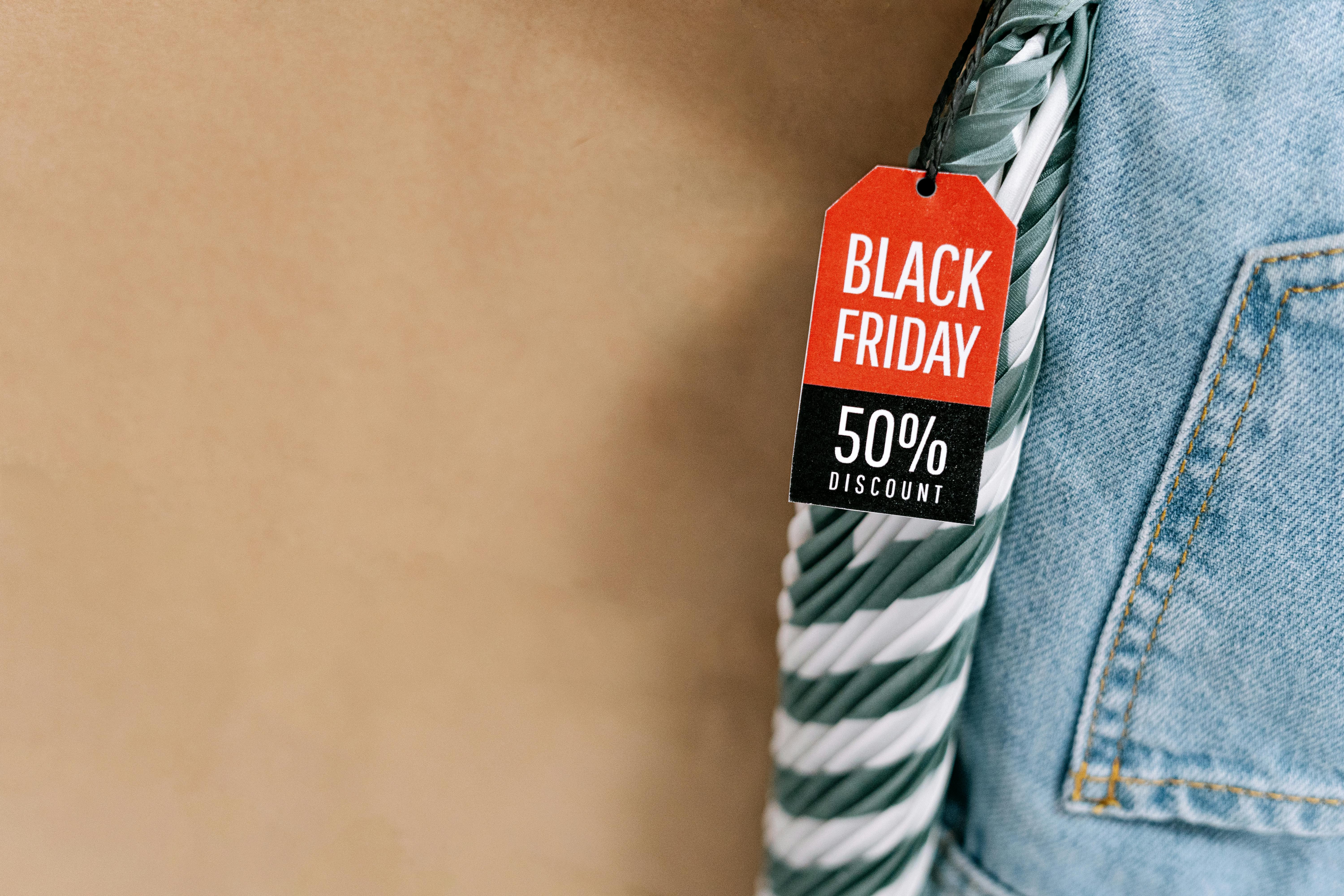
Walk a clearance rail and the remaining garments skew towards strong colours and prints, while black and navy are largely absent. The pattern is consistent and it follows directly from how clothing sells.
Neutral colours sell at a steady rate
Plain dark colours suit more wardrobes and more occasions, so demand for them is broad and does not depend on a particular trend holding.
Steady demand means the retailer expects to sell the stock at full price eventually, and there is no deadline forcing a reduction.
Colours and prints tied to a season have no such reliability. If they miss their moment there is no later demand to wait for.
Buying quantities reflect the difference
Buyers order neutrals deep, in large quantities across a full size range, because the risk of not selling them is low.
Fashion colours are ordered shallow, in smaller runs, precisely because the downside is a markdown.
The rail at the end of a season therefore reflects the original buying decision as much as shopper preference, since fewer risky units were bought in the first place.
Carryover is possible for neutrals
A plain black garment can be held in a warehouse and reintroduced the following year with no loss of relevance.
Storage costs less than the margin sacrificed in a deep discount, so carrying over is the cheaper option for anything that will still look current.
Anything visibly tied to a trend cannot be carried, which removes the alternative to clearance and forces the price down.
Sizes disappear unevenly
Within any colour, the middle sizes sell first because that is where most of the population sits.
What remains on a clearance rail is the tail of the size distribution, so a shopper at either extreme finds the sale far more productive than one in the middle.
This interacts with colour, which is why the deepest discounts cluster on unusual colours in unusual sizes rather than on any single factor.
What this implies for buying
Waiting for a discount on wardrobe staples usually means waiting through a whole season for a modest reduction that may never arrive.
Trend-led pieces are the opposite, and buying them early at full price means paying the premium for the small window in which they are current.
Splitting purchases along that line, staples when needed and statement pieces in clearance, works with the buying cycle rather than against it.