
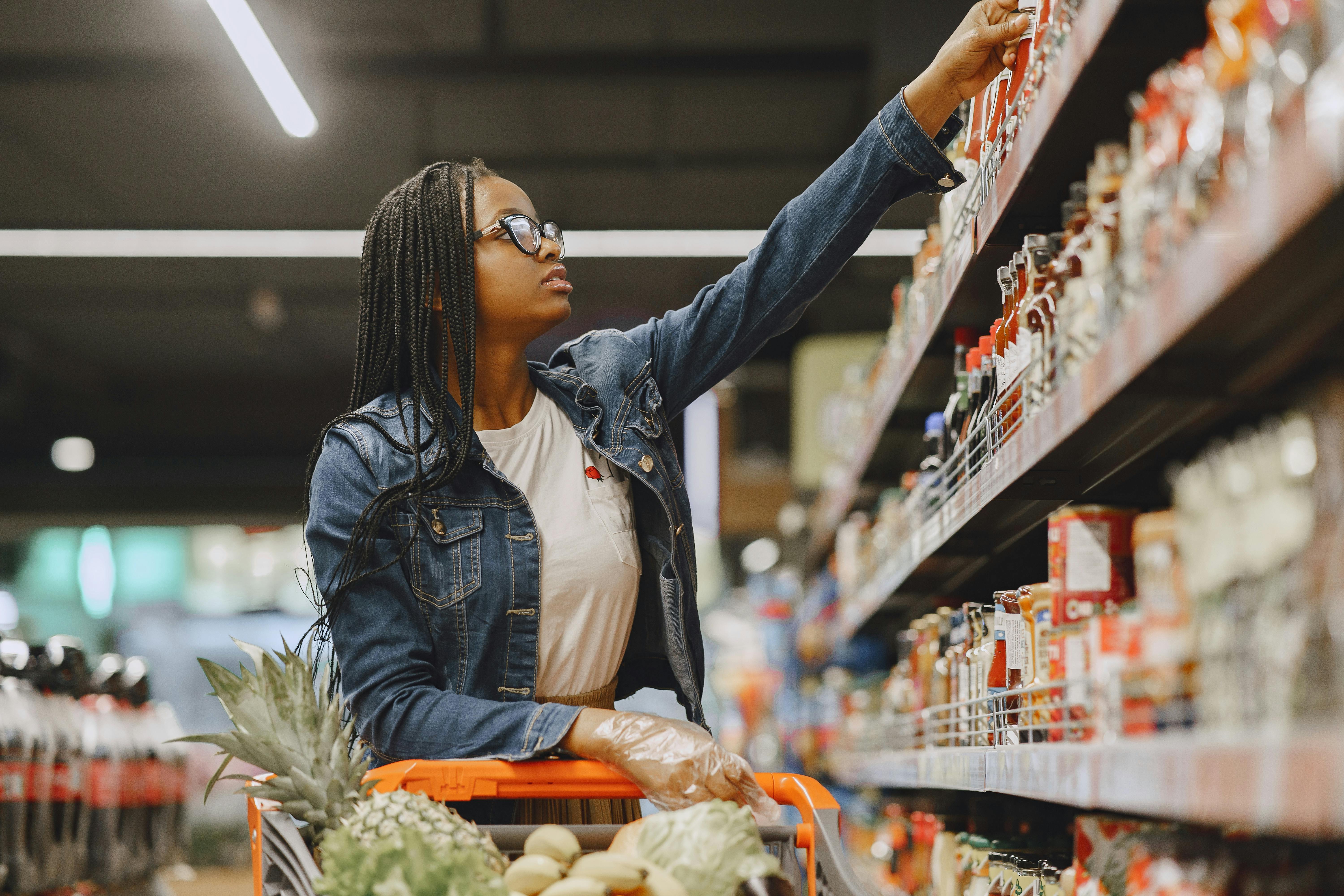
In 2026, navigating rising grocery prices requires more than just smart shopping; it demands advanced strategies. Discover how AI-powered apps, savvy meal planning, and exclusive loyalty programs can dramatically cut your food budget, turning everyday spending into significant grocery savings. Learn to compare the best tools and techniques to maximize your savings.
Introduction to the Topic
Welcome to 2026, where the cost of living continues its relentless climb, and nowhere is this more acutely felt than at the grocery store checkout. For many families, the weekly food bill has become a source of significant financial strain, transforming a basic necessity into a budget-busting challenge. The days of casual shopping are long gone; today, every dollar spent on groceries demands a strategic approach. At dealofmonth.com, we understand this struggle, and we're here to equip you with the ultimate arsenal of grocery savings strategies for 2026. This isn't just about clipping coupons; it's about leveraging cutting-edge technology, mastering the art of meal planning, and unlocking insider secrets to dramatically reduce your food expenses. Prepare to transform your shopping habits and reclaim a substantial portion of your monthly budget, ensuring you get the most value for every food dollar.
Backgrounds & Facts
The economic landscape of 2026 is characterized by persistent inflationary pressures, supply chain complexities, and evolving consumer demands. Global events, fluctuating energy costs, and increased labor expenses have all contributed to a sustained upward trend in food prices. According to recent economic reports, the average household grocery bill has seen an annualized increase of nearly 8% over the past three years, pushing many to the brink of their financial comfort zones. This isn't a temporary blip; it's a new normal that requires adaptability and ingenuity. Consumers are no longer just looking for deals; they're actively seeking comprehensive solutions to reduce their food bill without compromising on nutrition or quality. This shift has fueled an innovation boom in the grocery sector, giving rise to sophisticated AI-driven price comparison tools, hyper-personalized coupon platforms, and a renewed emphasis on efficient home economics. Understanding these underlying factors is the first step towards truly mastering smart shopping hacks and securing substantial grocery savings in this challenging environment.
Expert Opinion / Analysis
“In 2026, the savvy shopper isn't just looking for the lowest price; they're optimizing an entire ecosystem of spending,” explains Dr. Anya Sharma, a leading consumer finance analyst. “The psychological impact of rising food costs is profound, leading to increased anxiety and a feeling of powerlessness. However, what we’re seeing is a remarkable resilience among consumers who are now more empowered than ever by technology.” Dr. Sharma emphasizes that the key to unlocking significant grocery savings lies in a multi-pronged approach that combines proactive planning with reactive deal-hunting. “AI and machine learning have revolutionized the game. These tools can predict price fluctuations, identify personalized discounts based on your purchasing history, and even suggest meal plans that utilize ingredients currently on sale,” she notes. “The days of blindly wandering aisles are over. Today’s most effective strategy involves a blend of digital intelligence and traditional discipline—knowing what you need, when to buy it, and how to maximize every single penny. It’s about being an active participant in your food economy, rather than a passive recipient of prices.” This expert perspective underscores the necessity of embracing modern solutions while retaining the timeless wisdom of careful budgeting and waste reduction.
💰 Best Options in Comparison (VERY IMPORTANT)
Navigating the 2026 grocery landscape demands more than just good intentions; it requires specific tools and strategies. We've compiled the top options that empower you to take control of your food budget, compare products, and book services for maximum grocery savings.
- AI-Powered Grocery Apps & Price Trackers: These cutting-edge applications are your digital shopping assistants. Apps like 'PricePilot AI' or 'DealScout Pro' use machine learning to scan thousands of grocery flyers, online stores, and loyalty programs in real-time. They offer personalized deal alerts based on your shopping history, ingredient preferences, and even future price predictions. Some integrate with smart home devices to track pantry inventory, suggesting recipes that utilize expiring items. They excel at coupon stacking and identifying the absolute lowest price across multiple retailers, saving users an average of 15-30% effortlessly.
- Subscription Meal Kits & Bulk Buying Clubs: For those seeking convenience and consistent savings, meal kits (e.g., 'FreshPlate Premium') offer pre-portioned ingredients and recipes, drastically reducing food waste and impulse buys. While seemingly more expensive per meal, they often lead to overall savings by eliminating wasted ingredients and unplanned takeout. Bulk buying clubs (e.g., 'MegaMart Wholesale') require an annual membership but provide access to wholesale pricing on pantry staples, meats, and household goods. Ideal for larger families or those with ample storage, these can deliver significant long-term savings, often 20-40% on bulk items.
- Strategic Store Hopping & Loyalty Programs: This traditional method has been supercharged in 2026. Instead of loyalty to a single store, smart shoppers leverage multiple loyalty programs. By combining weekly ad flyers (digital versions are key), targeted store-specific coupons, and cashback credit card rewards, you can create a powerful savings synergy. This approach requires more time and planning but allows you to exploit 'loss leader' deals across various retailers, often resulting in 15-35% savings on specific items.
- Advanced Meal Planning & Zero-Waste Cooking: The most fundamental yet highly effective strategy involves meticulous meal planning. This isn't just about deciding what to eat; it's about planning around sales, utilizing ingredients in multiple dishes, and embracing 'root-to-stem' or 'nose-to-tail' cooking to achieve zero-waste cooking. By creating a detailed weekly menu based on your existing pantry and current deals, and committing to using every part of your ingredients, you can cut food waste by up to 50% and reduce your overall bill by an astounding 25-50%. Services like 'PantryPal' offer digital inventory management and recipe suggestions based on what you already own.
To help you choose the best strategy for your lifestyle, here's a comparison table:
| Strategy/Tool | Initial Effort/Cost | Potential Savings | Convenience Level | Best For | Key Features |
|---|---|---|---|---|---|
| AI-Powered Grocery Apps | Low (learning curve) | High (15-30%) | High | Tech-savvy, deal hunters, busy professionals | Real-time price alerts, personalized coupons, inventory tracking, price prediction |
| Subscription Meal Kits | Medium (subscription fee) | Medium-High (10-25%) | Very High | Busy individuals/families, waste reduction, culinary exploration | Pre-portioned ingredients, curated recipes, scheduled delivery, reduced waste |
| Bulk Buying Clubs | Medium (membership, storage space) | High (20-40%) | Medium | Large families, specific dietary needs, long-term planning | Wholesale pricing, large quantities, exclusive member deals, brand variety |
| Strategic Store Hopping & Loyalty Programs | High (time & effort) | High (15-35%) | Medium | Dedicated savers, flexible schedule, enjoys deal hunting | Stacking coupons, loyalty points, credit card rewards, weekly ad exploitation |
| Advanced Meal Planning & Zero-Waste Cooking | Medium (time & discipline) | Very High (25-50%) | Medium | Budget-conscious, eco-friendly, culinary enthusiasts | Inventory-first planning, repurposing leftovers, DIY staples, reduced food waste |
Outlook & Trends
Looking ahead, the future of grocery shopping trends in 2026 and beyond promises even deeper integration of technology and personalization. We anticipate AI becoming an invisible layer in our daily lives, not just suggesting deals but proactively optimizing our shopping lists based on real-time household consumption patterns and even health goals. Augmented Reality (AR) shopping experiences, allowing you to visualize products in your pantry before buying, are on the horizon. The 'subscription economy' will expand beyond meal kits to include personalized fresh produce boxes and pantry staples delivered on an optimized schedule. Furthermore, sustainability and ethical sourcing will increasingly influence pricing and consumer choices, with blockchain technology ensuring transparency in supply chains. The emphasis will shift from simply buying food to managing a holistic food ecosystem, where every purchase is informed, optimized, and aligned with personal values and financial goals. Smart shoppers who embrace these evolving trends will continue to unlock unparalleled money-saving hacks.
Conclusion
In 2026, achieving substantial grocery savings is not just possible; it's an imperative for financial well-being. By integrating AI-powered tools, embracing strategic meal planning, leveraging loyalty programs, and considering bulk purchases or meal kits, you can transform your approach to food shopping. The strategies outlined in this guide offer a clear path to significantly reducing your food bill, freeing up valuable funds for other priorities. Don't let rising prices dictate your budget. Take control, implement these expert-backed tips, and watch your savings grow. Your wallet—and your peace of mind—will thank you.