
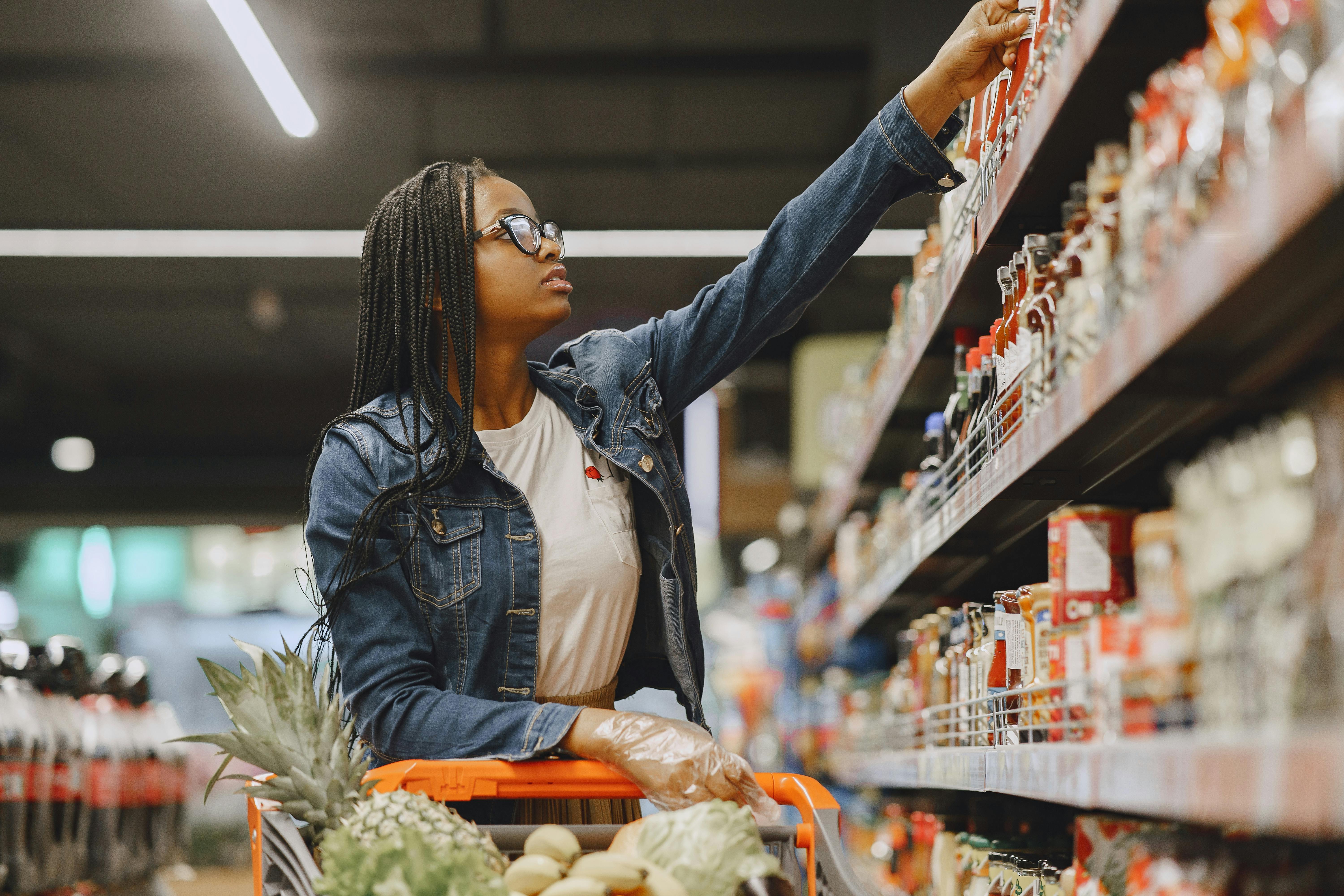
In 2026, food inflation remains a top concern for households. Discover the most effective grocery savings strategies, from cutting-edge AI shopping apps and subscription box deals to mastering discount grocery retailers and optimizing cashback rewards. This guide offers actionable advice and a crucial comparison of the best tools to help you significantly reduce your food budget and combat rising costs today.
Introduction to the Topic
Welcome to 2026, where the cost of living continues its relentless upward climb, and grocery bills are often the most unpredictable and painful line item in household budgets. For many, the weekly trip to the supermarket has become a strategic mission rather than a routine chore. At dealofmonth.com, we understand this struggle. That's why we've delved deep into the latest economic forecasts, technological advancements, and consumer trends to bring you the definitive guide to grocery savings in 2026. Forget the old coupon clipping; we're talking about revolutionary strategies, smart tech, and insider tips that promise to not just trim, but dramatically slash your food expenses, potentially by up to 50%.
The landscape of food retail is evolving rapidly, offering both challenges and unprecedented opportunities for the savvy shopper. From hyper-personalized AI deal finders to advanced subscription services and a renewed focus on sustainable, waste-reducing practices, the tools to save money are more powerful than ever. Are you ready to transform your grocery spending habits and reclaim control over your finances? Let's dive into how you can make every dollar count and turn your kitchen into a bastion of budgetary triumph.
Backgrounds & Facts
The economic climate of 2026 presents a unique backdrop for grocery shopping. Global supply chain disruptions, fluctuating energy prices, and geopolitical tensions continue to exert pressure on food commodity prices. According to recent economic reports, food inflation, while showing signs of moderation in some sectors, remains stubbornly high in others, particularly for fresh produce and imported goods. The average household in North America and Europe is spending an estimated 15-20% more on groceries than they did just three years prior.
This persistent inflation has catalyzed innovation within the retail sector. We've seen an exponential rise in:
- AI-powered personalized deal platforms: These algorithms analyze your shopping history, dietary preferences, and local store prices to recommend optimal purchases and meal plans.
- Enhanced subscription and surplus food services: Platforms like 'FlashFood' and 'Too Good To Go' have expanded their reach and offerings, connecting consumers with deeply discounted food nearing its sell-by date.
- Private label dominance: Major retailers have heavily invested in high-quality, cost-effective private label brands, which now often rival national brands in both quality and variety, offering significant savings.
- Smart kitchen technologies: Devices that track inventory and suggest recipes based on expiring ingredients are becoming more mainstream, drastically reducing food waste.
Expert Opinion / Analysis
“The days of passive grocery shopping are over,” states Dr. Anya Sharma, a leading consumer economist at the Global Institute for Retail Analytics. “In 2026, consumers hold more power than they realize, provided they leverage the right strategies and technologies. The key isn't just finding the cheapest item; it's about optimizing the entire food consumption cycle, from planning to plate.”
Dr. Sharma emphasizes several critical shifts:
- The 'Subscription Economy' for Food: “Beyond meal kits, we're seeing specialized subscriptions for staples, bulk items, and even ethically sourced produce at competitive prices. These services, when chosen wisely, can lock in savings and reduce impulse buys.”
- Data-Driven Decisions: “AI isn't just for recommendations; it’s a powerful tool for predictive purchasing. Imagine an app telling you that avocados will be 30% cheaper next week at a store two blocks away, or suggesting a recipe that uses up ingredients you already have before they spoil. This precision saving is transformative.”
- The Psychological Edge: “Retailers are smarter than ever at encouraging spending. Consumers must become equally smart. This involves understanding pricing psychology, avoiding 'deal fatigue' by focusing on true value, and being disciplined with a shopping list generated by a savings-focused app, not impulse.”
💰 Best Options in Comparison (VERY IMPORTANT)
To truly maximize your grocery savings in 2026, a multi-pronged approach is essential. Here are the top categories and specific platforms/strategies that dealofmonth.com highly recommends, complete with a comparison to help you choose what's best for your household.
- AI-Powered Smart Shopping Apps (e.g., 'PricePredict AI', 'ShopSavvy 2.0'): These next-gen apps go beyond simple price comparisons. They learn your preferences, predict price fluctuations, track loyalty offers across multiple stores, and even suggest optimal times to buy certain items. They often integrate with digital coupon databases and provide personalized meal plans based on sales. Perfect for the tech-savvy shopper looking for maximum automation and intelligence.
- Surplus Food & Discount Platforms (e.g., 'FlashFood Pro', 'Too Good To Go+'): These services have evolved to offer even more variety and reliability. 'FlashFood Pro' now partners with an expanded network of major grocery chains, offering up to 60% off items nearing their sell-by date (but still perfectly good!). 'Too Good To Go+' includes premium restaurant and bakery surplus, making it ideal for those seeking quality prepared meals at a fraction of the cost. Excellent for reducing food waste and grabbing deep discounts on specific items.
- Subscription Grocery Boxes & Meal Kits (e.g., 'EcoHarvest', 'BudgetBite Kits'): Moving beyond traditional meal kits, 2026 sees an increase in customizable subscription boxes for pantry staples, bulk items, or 'ugly' produce. 'EcoHarvest' delivers imperfect but delicious produce at up to 40% less than supermarket prices, focusing on sustainability. 'BudgetBite Kits' offer ingredient bundles for 3-5 meals per week, often costing less per serving than buying individual components, with minimal waste. Great for convenience, consistent savings, and reducing food waste.
- Strategic Use of Cashback & Loyalty Programs (e.g., 'CardCash Rewards', 'Supermarket Loyalty+'): Don't underestimate the power of combining credit card cashback rewards with enhanced supermarket loyalty programs. Many credit cards now offer 3-5% cashback on grocery purchases, and leading supermarkets have introduced tiered loyalty systems ('Supermarket Loyalty+') that offer personalized discounts, free items, and bonus points based on spending patterns. This is a passive but highly effective saving method.
- Mastering Private Labels & Bulk Buying (e.g., 'Aldi/Lidl Enhanced', 'Costco/Sam's Club Digital'): Discount retailers continue to dominate, with 'Aldi' and 'Lidl' expanding their organic and specialty private label lines, often matching or exceeding national brand quality at significantly lower prices. Bulk buying clubs like 'Costco' and 'Sam's Club' have refined their digital ordering and pickup options, making it easier to stock up on non-perishables and household essentials without overspending. Essential for foundational savings.
To help you decide which strategies to integrate, here's a comparative table:
| Strategy/Platform | Key Benefit | Average Savings Potential | Ideal User | Effort Level |
|---|---|---|---|---|
| AI Smart Shopping Apps | Personalized deals, price prediction, meal planning | 15-30% on total bill | Tech-savvy, busy individuals, budget-conscious | Medium (initial setup) |
| Surplus Food Platforms | Deep discounts on expiring/surplus food | 30-60% on specific items | Flexible meal planners, waste-conscious, bargain hunters | Low-Medium (check daily) |
| Subscription Grocery Boxes | Convenience, reduced waste, consistent pricing | 20-40% on specific categories/meals | Time-pressed, health-conscious, eco-friendly | Low (set and forget) |
| Cashback & Loyalty Programs | Passive savings, bonus points, personalized offers | 3-10% on total spending | All shoppers (essential for everyone) | Very Low (automatic) |
| Private Labels & Bulk Buying | Consistent low prices, quality alternatives | 20-50% on selected items/categories | Families, budget-focused, stock-up shoppers | Medium (requires planning/storage) |
Outlook & Trends
The future of grocery savings in 2026 and beyond is undeniably intertwined with technology and sustainability. We anticipate even more sophisticated AI integration, moving towards predictive shopping assistants that not only suggest deals but also auto-order staples when stock is low, optimizing for price and delivery efficiency. The rise of vertical farming and localized food networks could stabilize fresh produce prices, making healthy eating more accessible.
Hyper-personalization will become the norm. Imagine grocery stores offering dynamic pricing based on your individual loyalty profile and real-time demand, or smart refrigerators that automatically generate shopping lists optimized for both cost and nutritional needs. Furthermore, expect an increased focus on circular economy models, where food waste is not just reduced but repurposed, creating new avenues for discounted goods and services. The goal will shift from merely saving money to achieving a truly zero-waste, cost-effective food system.
Conclusion
In 2026, navigating the grocery aisles doesn't have to be a source of financial stress. By embracing the innovative tools and strategies outlined in this dealofmonth.com guide, you have the power to transform your spending habits and achieve unprecedented grocery savings. Whether you're a tech enthusiast leveraging AI apps, a conscious consumer embracing surplus food platforms, or a savvy planner utilizing subscription services and private labels, the pathway to a significantly reduced food budget is clearer than ever.
Don't let rising costs dictate your lifestyle. Take control, combine these powerful strategies, and start seeing a dramatic difference in your monthly expenditures. Your wallet—and your peace of mind—will thank you. Begin your journey to smarter, more affordable grocery shopping today!